The Gin Creek blog
Low Cost Tips and Tricks: What Every Homeowner Should Know Before Remodeling

Remodeling has a reputation for emptying bank accounts, and honestly, it earned it — but only when homeowners rush in without a plan. The truth is that some of the most satisfying home transformations happen on a modest budget, built from paint, patience, and a handful of smart decisions made in the right order. What separates a money pit from a makeover is rarely the size of the checkbook. It is the quality of the plan.
Before you demo a single cabinet or order a single tile, walk through these low cost tips and tricks. They cover what every homeowner should know before remodeling — where to spend, where to save, and how to make a finished room feel warm and personal without paying custom prices.
Start with a Plan Before You Touch a Wall
The most expensive words in remodeling are while we are at it. Scope creep quietly doubles budgets, so write down exactly what you are changing and refuse to improvise once work begins. A clear, written scope keeps every later decision simple: either it is in the plan, or it waits for the next phase.
Build a real number for the project, then add a cushion of ten to fifteen percent for the surprises hiding inside walls — and there are always surprises. Split your list into needs and wants. Fix what is broken, unsafe, or costing you money first, and let the pretty upgrades fill whatever budget remains. Homeowners who plan this way almost never run out of money halfway through.
Paint Is the Cheapest Transformation You Can Buy
Dollar for dollar, nothing changes a room like paint. A tired kitchen, a dark hallway, a dated vanity — all of them can look new for the cost of a weekend and a few gallons. Soft whites, warm creams, and muted greens open up small rooms and give older spaces that clean farmhouse calm everyone is after.
The trick is to sample before you commit. Paint a large patch on the wall and live with it for two full days, watching it in morning light and evening lamplight. A color that looks perfect on a tiny chip can read completely wrong across four walls, and a five-dollar sample is far cheaper than repainting a whole room.
Refresh Instead of Replace
Cabinets, doors, and furniture are usually better built than their finishes suggest. Before you price replacements, look hard at what a deep clean, a sanding, and fresh paint or stain could do. Swapping dated knobs and pulls for new hardware is a one-afternoon project that makes an entire kitchen feel renovated.
The same logic works all over the house. Regrout tile instead of retiling, refinish a wood floor instead of covering it, and repaint interior doors instead of replacing them. Working with what you already own is the single most reliable low cost remodeling strategy there is — and the original bones of an older home often have more character than anything you could order new.
Spend Small Where the Eye Lands First
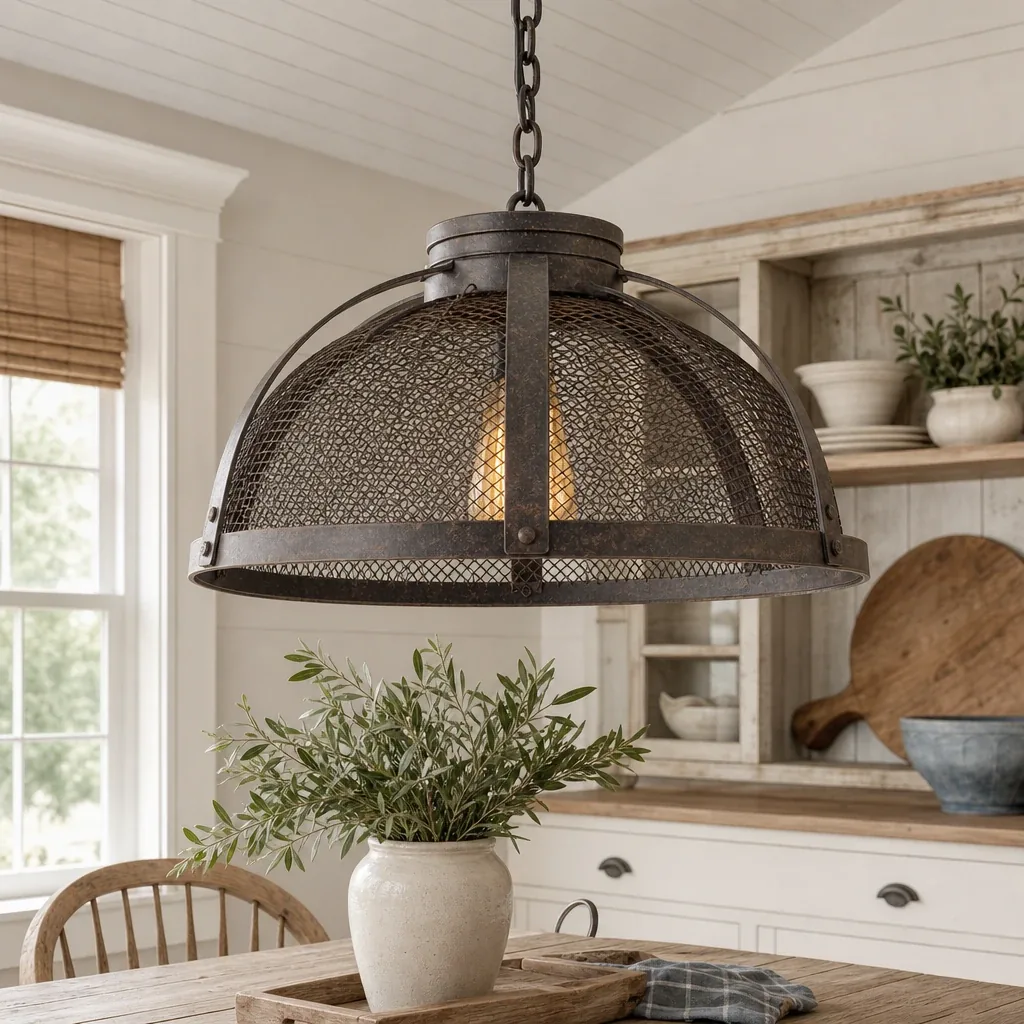
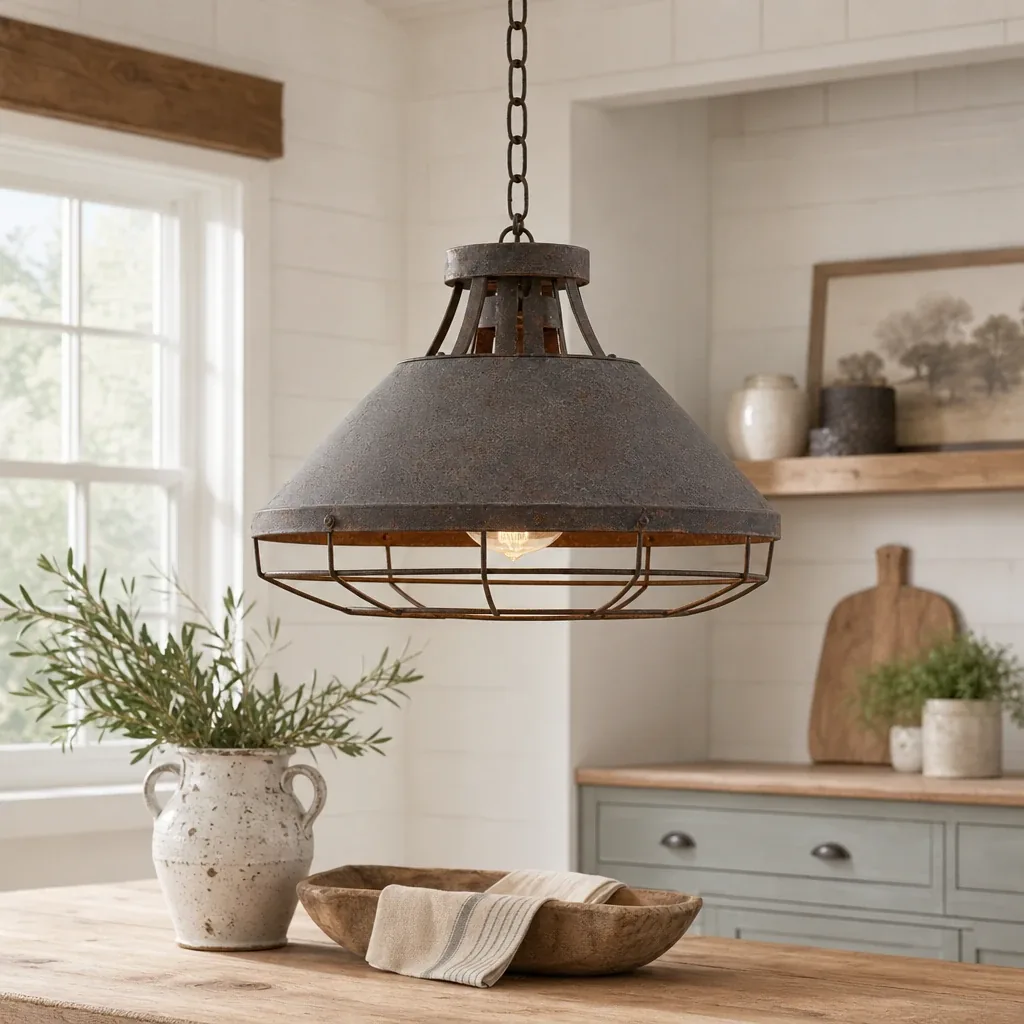
You do not need to remodel everything to make a home feel remodeled. Focus your budget on the high-impact focal points people notice in the first five seconds: the light fixture over the table, the kitchen faucet, the front door, the backsplash. Updating just these touchpoints can carry an entire room.
Lighting deserves special attention because it changes how every other surface reads. Warm bulbs, a statement pendant, or a simple dimmer switch make modest finishes look intentional and rich. Add open shelving where a cabinet door used to be, and a plain kitchen suddenly has a place to show personality.
Know When to DIY and When to Call a Pro
Doing it yourself is the classic way to save, but only some jobs belong in homeowner hands. Painting, hardware swaps, shelving, peel-and-stick backsplash, and decor are all safe, satisfying DIY territory. Each one you finish yourself is labor money that stays in your pocket for the things that truly matter.
Electrical work, plumbing moves, gas lines, and anything structural are different — a mistake there costs far more than the pro you were trying to avoid. The smartest budgeters spend their contractor money on skilled, licensed, invisible work, then save everywhere the risk is low and the learning curve is kind.
Gin Creek Kitchen Finishing Touches on a Budget
Here is the secret decorators know: a remodel is not finished when the tools leave — it is finished when the room feels lived in and loved. That final layer of warmth costs very little, and it is where a space stops looking like a project and starts feeling like your home. At Gin Creek Kitchen, that finishing layer is our favorite part of the whole process.
Think in small, honest details rather than big purchases. A framed farmhouse sign over a console, a set of stoneware canisters corralled on the counter, a linen runner softening a wood table, a wreath that changes with the seasons — pieces like these give a freshly remodeled room its soul for a fraction of what the tile cost.
The best part is that finishing touches are movable and forgiving. Unlike grout and flooring, decor can shift with your mood, your seasons, and your budget. Start with one or two pieces you genuinely love, place them where your eye lands first, and let the room grow from there.
Remodel Smart, Finish Warm
Every homeowner should walk into a remodel knowing this: the budget is won or lost before the work begins. Plan the scope, pad the number, paint before you replace, refresh what you have, spend small where the eye lands, and leave the risky work to professionals.
Do those things and remodeling stops being a gamble. It becomes what it should have been all along — a steady, affordable path to a home that works better, looks better, and welcomes you at the door.