The Gin Creek blog
Kitchen Remodeling Calcite Countertop Austin Tx: The Ultimate Homeowner's Guide
Austin kitchens have a look all their own — bright Hill Country light, easy indoor-outdoor flow, and a mix of modern polish and Texas warmth. Lately, one material keeps showing up in the city's most beautiful remodels: the calcite countertop. If you are planning a kitchen remodel in Austin, TX and calcite is on your shortlist, this guide covers everything a homeowner needs to know before signing off on a slab.
Calcite is gorgeous, but it is not the right surface for every cook or every household. The goal here is simple — give you the honest pros, the real trade-offs, and the local know-how to decide with confidence.
What Is a Calcite Countertop?
Calcite is a natural mineral made of calcium carbonate, and it is the very heart of marble, limestone, and travertine. When slab yards talk about calcite countertops, they usually mean crystalline calcite slabs — stones like the blue-grey varieties that look almost lit from within. Some calcite is even slightly translucent, which is why it photographs so beautifully in bright kitchens.
What sets calcite apart from granite or quartz is its depth and movement. The veining drifts through the slab like clouds, and no two pieces are ever alike. For homeowners who want a kitchen that feels one of a kind, that uniqueness is the whole point.
Why Austin Homeowners Love Calcite
Austin architecture has always leaned on natural stone — just look at the Texas limestone on porches and fireplaces across the Hill Country. A calcite countertop carries that same organic character indoors, so the kitchen feels connected to the landscape instead of dropped in from a catalog.
There is a practical side, too. Calcite's cool, pale tones bounce natural light around the room, which keeps a kitchen feeling fresh through long Texas summers. Paired with white oak cabinets, matte black fixtures, or warm brass, it slides comfortably into everything from a modern farmhouse in Dripping Springs to a sleek remodel in Zilker.
The Honest Trade-Offs
Here is the part every homeowner deserves to hear plainly: calcite is a soft stone. It sits around a 3 on the Mohs hardness scale, which means it will scratch and etch more easily than granite or quartz. Acidic foods — citrus, vinegar, wine, and yes, margarita lime — can dull the surface if spills sit too long.
None of this is a dealbreaker; it is a lifestyle match. Calcite rewards homeowners who wipe spills promptly, use cutting boards, and embrace a gentle patina over time. Choosing a honed finish hides etching far better than a polished one, and a quality sealer is non-negotiable. If you want a counter that looks showroom-perfect forever with zero effort, quartz will serve you better. If you love natural character that ages with your home, calcite is hard to beat.
Calcite Care in the Austin Climate
Austin throws two specific challenges at natural stone: hard water and heat. Our water is famously mineral-heavy — fitting, since it flows through limestone — and it leaves spots and film on counters if splashes dry on their own. Keep a soft cloth near the sink, dry the surface after heavy use, and clean with a pH-neutral stone cleaner rather than anything acidic or abrasive.
Heat is the other consideration. Calcite handles a warm kitchen fine, but always use trivets under hot pans pulled straight from the oven. Plan on resealing every one to two years, depending on how hard your kitchen works — your fabricator can recommend the right product for your specific slab.
Budgeting and Finding the Right Austin Fabricator
Calcite sits in the premium natural stone category, generally comparable to marble. The smart move is to visit Austin-area slab yards in person — calcite varies enormously from slab to slab, and photos never tell the whole story. Bring your cabinet and paint samples, and view slabs in natural daylight if the yard allows it.
When comparing fabricators, gather at least three itemized bids and ask each one the same questions: Who seals the stone, and with what? What does the warranty cover? How are seams planned and placed? A trustworthy fabricator answers happily and in writing. And book early — Austin's remodeling season fills calendars fast, especially in spring and fall.
Finish the Room with Gin Creek Kitchen
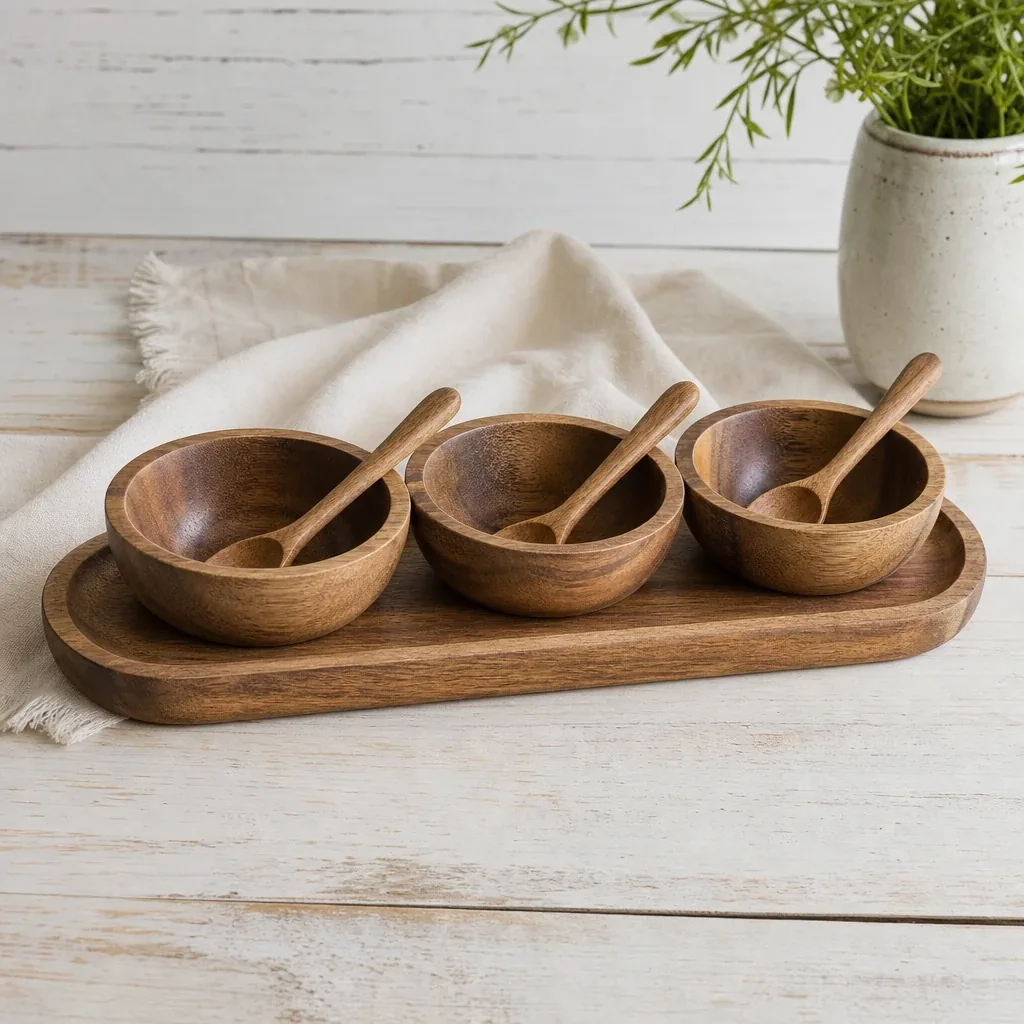
Once the last seam is sealed, the counter becomes the stage — and what you set on it is what makes the kitchen feel like yours. That finishing layer is where Gin Creek Kitchen comes in. Calcite's soft greys and blues pair beautifully with warm acacia wood, stoneware serving pieces, and blue-and-white ceramics, and our collections are full of exactly those textures.
Keep the styling simple so the stone stays the star: a wooden serving tray to corral oils and salt by the range, a stoneware pitcher holding wooden spoons, or a set of canisters marching down the counter. These are the small, movable details that soften a brand-new remodel into a room that feels gathered and lived in — and they are the pieces Gin Creek Kitchen was made for.
The Ultimate Takeaway
A calcite countertop is not the low-maintenance choice — it is the high-character one. If you are an Austin homeowner who cooks with a cutting board, keeps a cloth by the sink, and loves the idea of a surface no neighbor will ever duplicate, calcite will reward you every single day.
See the slab in person, hire a fabricator who communicates, seal it on schedule, and style it with pieces that feel warm and personal. Do those four things, and your kitchen remodel will still make you smile a decade from now.