The Gin Creek blog
How to Create a Cozy Kitchen After Relocating to a New Home

A kitchen starts to feel like home once the everyday pieces sit where your hands reach for them, the light and texture soften the room, and the décor you pictured in this house is out on the shelf instead of still in a box. The work moves faster when it happens in that order.
Southern kitchens lean warm: cream and sage, worn wood, stoneware, dried stems, and a little galvanized metal. Those pieces settle a room quickly, and they cost nothing extra when the practical unpacking happens first. The sections below cover the order that works during the first week, then the parts of the move that decide whether the good things arrive whole.
Unpack the kitchen by how you use it
The first box to open holds coffee, tea, salt, the everyday plates, one pan, and a towel. Those few things make the first morning in a new house feel normal, and they take minutes to place.
From there, work outward from the stove and the sink. Coffee and tea sit beside the kettle, salt and pepper and oil stay within reach of the cook, and plates, bowls, and mugs go in the cabinet closest to the table. Baking pieces go wherever the mixing happens. A kitchen arranged this way needs no labels taped inside the doors by the second day.
Keep one drawer for the odd things that have no home yet: batteries, spare keys, takeout menus, the tape measure. Every kitchen has that drawer, and starting it early keeps the counters clear while the rest of the house fills up.
Warm the room before you decorate it
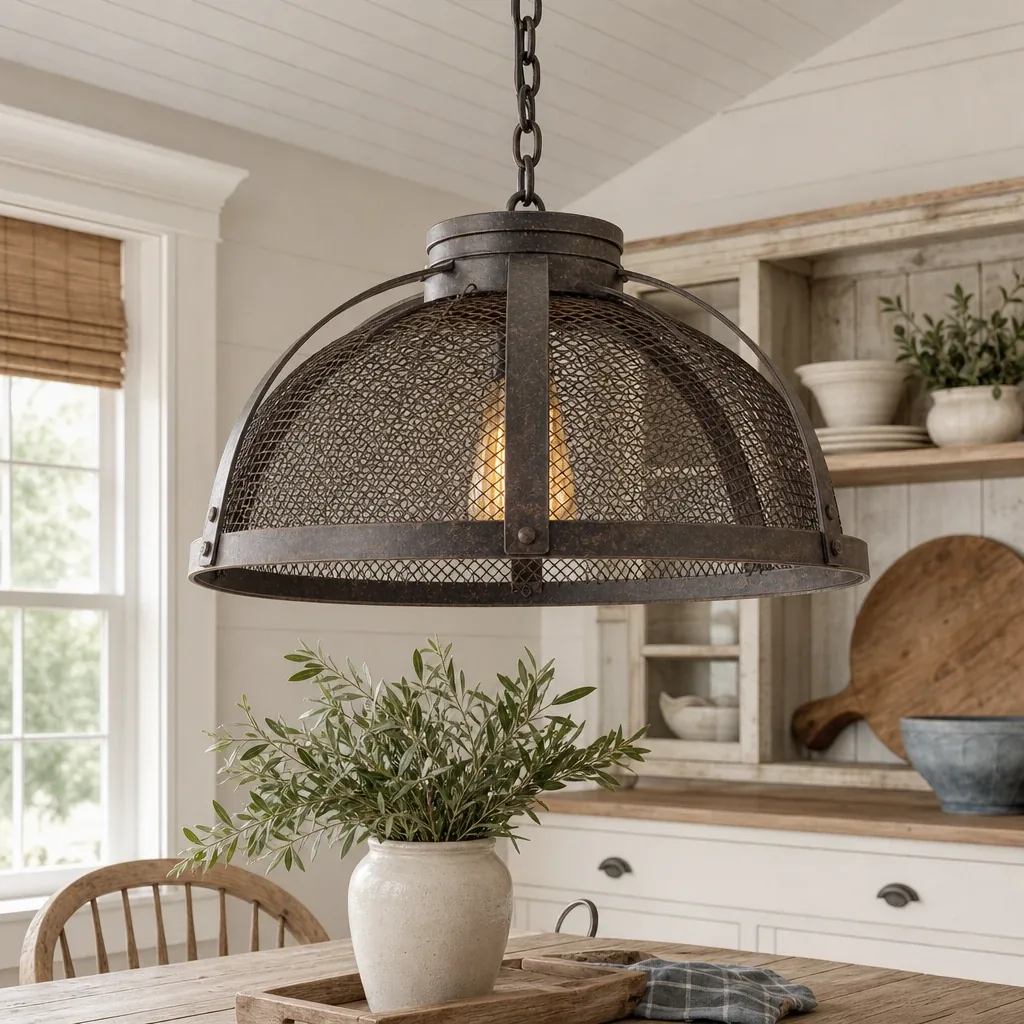
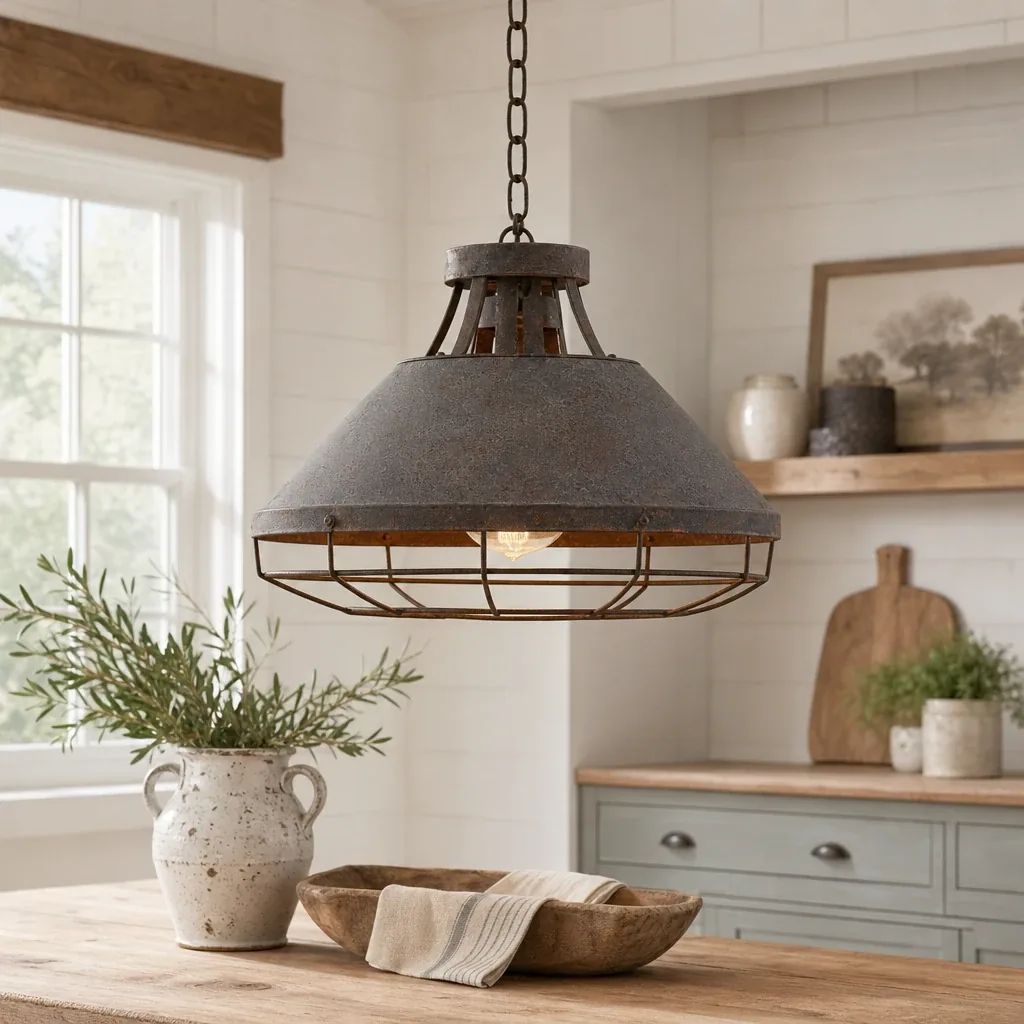
Light does more for a kitchen than any single accessory. Most new builds and rentals arrive with cool bulbs, so a warmer bulb overhead and a small lamp on the counter change how the room reads in the evening. Under-cabinet light along the work surface keeps the counters bright without flattening the room.
The palette does the rest. Cream, sage, warm white, and aged wood sit well together in a Southern kitchen, and they forgive a counter that is not yet styled. Limiting the room to three colors prevents the drift that happens when every unpacked object brings its own.
Layer texture where hands and eyes land
Texture is what makes a kitchen look gathered rather than staged. A linen runner across the work surface, a dish towel over the oven handle, a wooden board leaning against the tile, and a stoneware crock of utensils cover most of it. Each one adds warmth at a spot a visitor touches.
The counter can stay clear while it still looks finished. A canister set in cream stoneware gives the coffee corner a reason to exist, and napkin rings at the table catch the eye without taking up space. Both do more work than a stack of small bowls that ends up back in the cabinet.
Dried stems and greenery belong in this layer too. Eucalyptus, olive branches, and dried grasses hold their shape without care, and they soften a shelf that is still half empty.
Give the kitchen one anchor and build around it
Every room reads better with one strong piece. In a kitchen that piece is a farmhouse sign above the door, a wall shelf holding a pair of crocks, or a wreath on the pantry door. Hang the anchor at eye level, then leave the space around it alone for a day or two.
Small pieces spaced a few inches apart read as a collection, while the same pieces crowded together read as storage. Spacing matters more than which pieces you own, and it settles a rented kitchen faster than new cabinets would.
Pack the kitchen so it survives the trip
Kitchen boxes are the ones that break. Glassware, plates, and stoneware need a dish pack or a box lined with padding, stacked on edge rather than laid flat, with paper between each piece. Anything that has to stay upright gets a label so it does not ride sideways in the truck.
A crew that handles residential moving services usually packs the kitchen last and loads it so the boxes come off the truck first. That order puts the coffee and the plates through the door before the bedroom furniture does, which is the difference between a first evening on paper plates and one that feels close to normal.
When the new kitchen is in another city
A long move adds a stretch of days between packing and unpacking, and that gap changes how the kitchen should be planned. Compare the delivery window before the crew leaves with the day you actually arrive, and pack a first-night box that travels with you: coffee, two mugs, a towel, one knife, dish soap, and paper plates.
A company that offers home relocation services can tell you when the truck is expected and whether the kitchen boxes can be marked to unload before the rest. Those two answers shape the entire first week, so they are worth asking about before you sign anything.
Hand the heavy pieces to a crew
The refrigerator, the range, a hutch, and a butcher block island decide how smooth a kitchen move goes. They are also the pieces most likely to mark a floor, catch a doorway, or hurt someone. A refrigerator comes out of a tight opening without taking the trim with it, and a hutch that came in through a window is not necessarily leaving through the same one.
Good professional movers measure the tightest doorway before they lift anything, protect the floor along the path, and put the appliance back where the new kitchen needs it instead of against the nearest wall. That planning is the part most households underestimate when they look at a stove and see one appliance.
Settle Into a Cozy Kitchen in Round Rock With inNout Movers
inNout Movers is at 1111 Wonder Dr, Round Rock, TX 78681, and the phone number is (512) 825-0777. The Google Maps listing shows the office on Wonder Drive.
The team handles local moving, apartment moving, packing services, senior moving, delivery services, long distance moves, commercial moving, labor-only help, furniture assembly, and storage. That range covers the parts of a kitchen move that are hardest to do alone: the appliance, the glassware, and the second pair of hands on the stairs.
For a kitchen that has to be usable on the first night, it helps to say so when you book. A crew that knows the kitchen comes first can load and unload with that in mind.
The first week in a cozy kitchen
Cook one full meal before the last box is empty. A kitchen that has produced a real dinner stops feeling borrowed, and the small problems show up while the boxes are still out: the pan that has no cabinet, the light that needs a bulb, the drawer that sticks.
The décor can wait a weekend. A lived-in kitchen gathers its pieces at its own pace, and a room that already works is easier to decorate than an empty one.